

Historic Building Surveys
Before you can take good care of an old building, you have to understand it. A building survey is how we get there. It looks at the building as a complete system, how it was put together, how it has changed over the years, and how it actually performs today, so that any decision about repair or restoration is based on what is really happening rather than a guess.
Every survey starts with the owner. How you use the building, where you are seeing problems, and what you are hoping to accomplish all shape where we look and how deep we go. From there, we evaluate the building through careful observation, measured investigation, and, when it is warranted, selective deconstructive analysis.
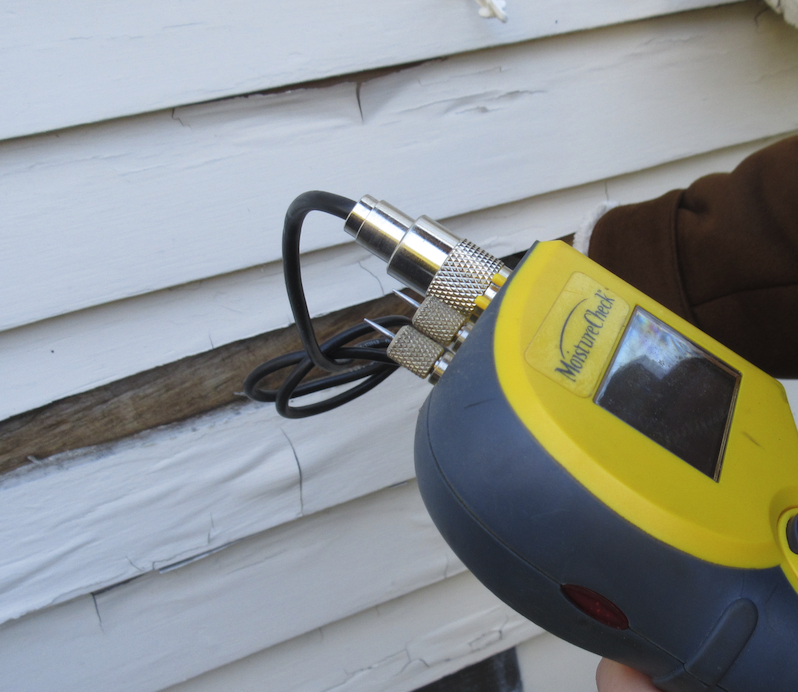
That last part is what sets a real survey apart from a walk-through. Working with trusted specialists, we document the visible conditions and then look deeper into the places where trouble tends to hide, the spots where moisture, damage, or a bad past repair can sit unseen for years. Sometimes that means carefully removing and then reinstalling a section of trim, plaster, siding, or flooring to see what is going on inside the building fabric. The aim is always to understand the building without disturbing it, and to build the most complete picture possible before recommending a single piece of work.
The Surveys We Provide
Different questions call for different kinds of investigation. Depending on what you need to know, a survey might be broad or tightly focused.
A whole-building condition survey is the comprehensive one. It evaluates the structure, the envelope, the interior, and how the mechanical systems interact with all of it, and it gives the owner a clear understanding of the overall condition, patterns of deterioration, moisture pathways, and the priorities for repair and maintenance.
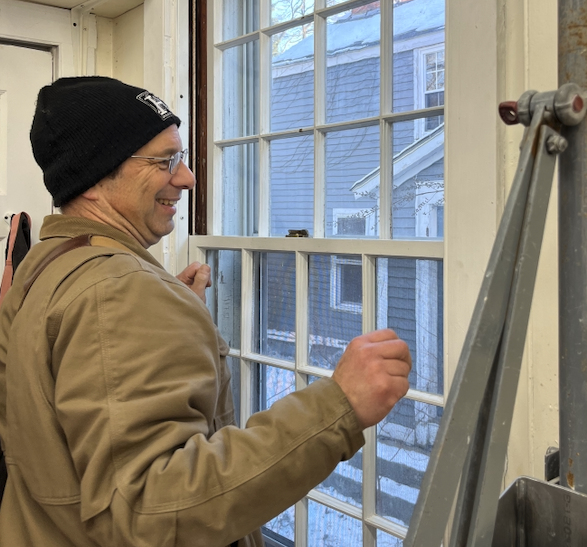
A window and door survey documents each unit individually, recording its age, condition, operation, and any paint or glazing issues. This is the survey that helps an owner and a historic district commission decide whether repair, restoration, or reproduction is the right path for each opening.
A water management and envelope survey follows the water. We look at how it moves around and through the building, examining gutters, flashing, siding, drainage, basements, foundations, roofing, and grading. This kind of survey routinely finds problems long before they show up as a stain on a ceiling.
An energy and performance survey uses blower door testing, infrared imaging, and airflow diagnostics to evaluate comfort and efficiency. It identifies air leaks, insulation gaps, and moisture risks, and it points to the upgrades that will actually help without harming the historic fabric.
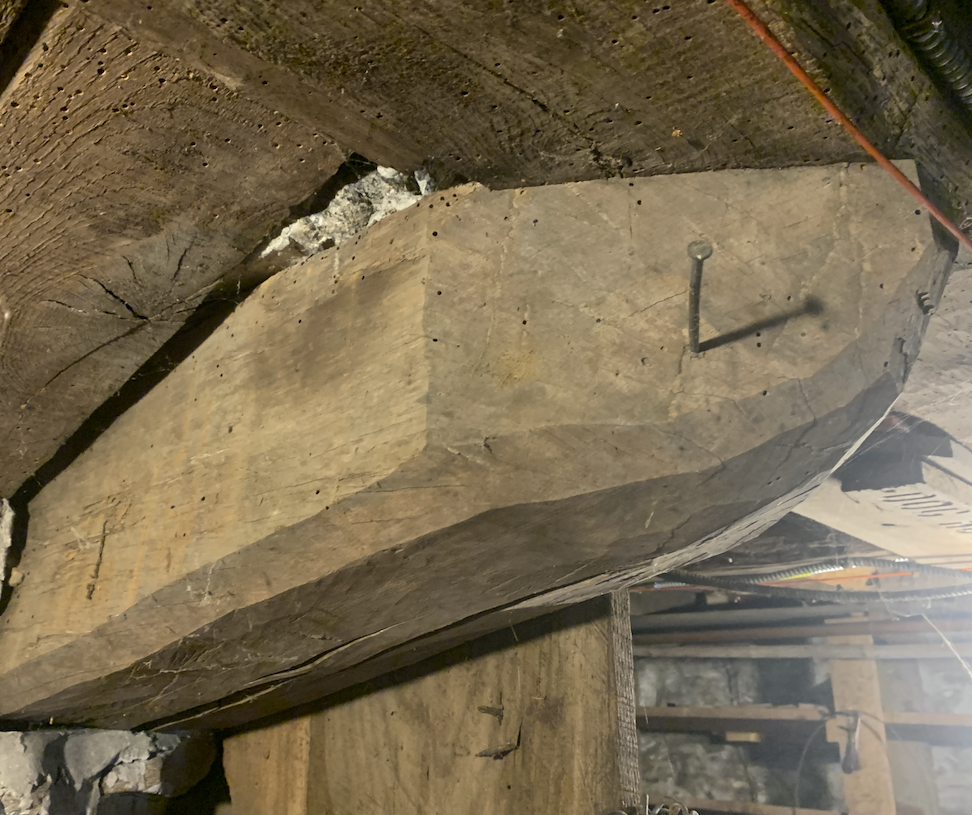
A structural and framing survey focuses on the bones of the building, the framing, load paths, sills, beams, joists, and foundation. When a project calls for it, we bring in engineers to verify structural capacity and develop a repair strategy.
A paint, finish, and lead-safe survey assesses the condition of paint on windows, doors, and other components, documenting deterioration, friction points, and potential lead hazards so that the work that follows can be done safely.
Why Surveys Matter
A good survey saves money, not the other way around. It uncovers the underlying issues, sorts out what is urgent from what can wait, and gives an owner the documentation needed to plan and budget with confidence. Work done off the back of a real survey gets done efficiently and in the right order, because the cause of a problem has been identified rather than the symptom.
Whether you are trying to solve one specific problem or simply want to understand the building you own, the point of a survey is the same. Clarity, honest documentation, and a thoughtful path forward.


