
Historic Exterior Restoration
A historic building's exterior is its first line of defense against New England's climate. It handles the wind, rain, snow, ice, and temperature swings while also expressing the architectural style that defines the building. When the exterior is detailed properly, the whole building performs better. When it is not, problems develop quietly for years before they become visible.
Heritage Restoration approaches historic exterior work the same way we approach everything else. Respect the original materials. Apply sound building science. Make improvements that hold up.
Exterior Restoration Services
Our historic exterior services are carried out by our own team and by trusted specialists when the project calls for a trade like masonry or slate roofing. Depending on what the building needs, the work might include:
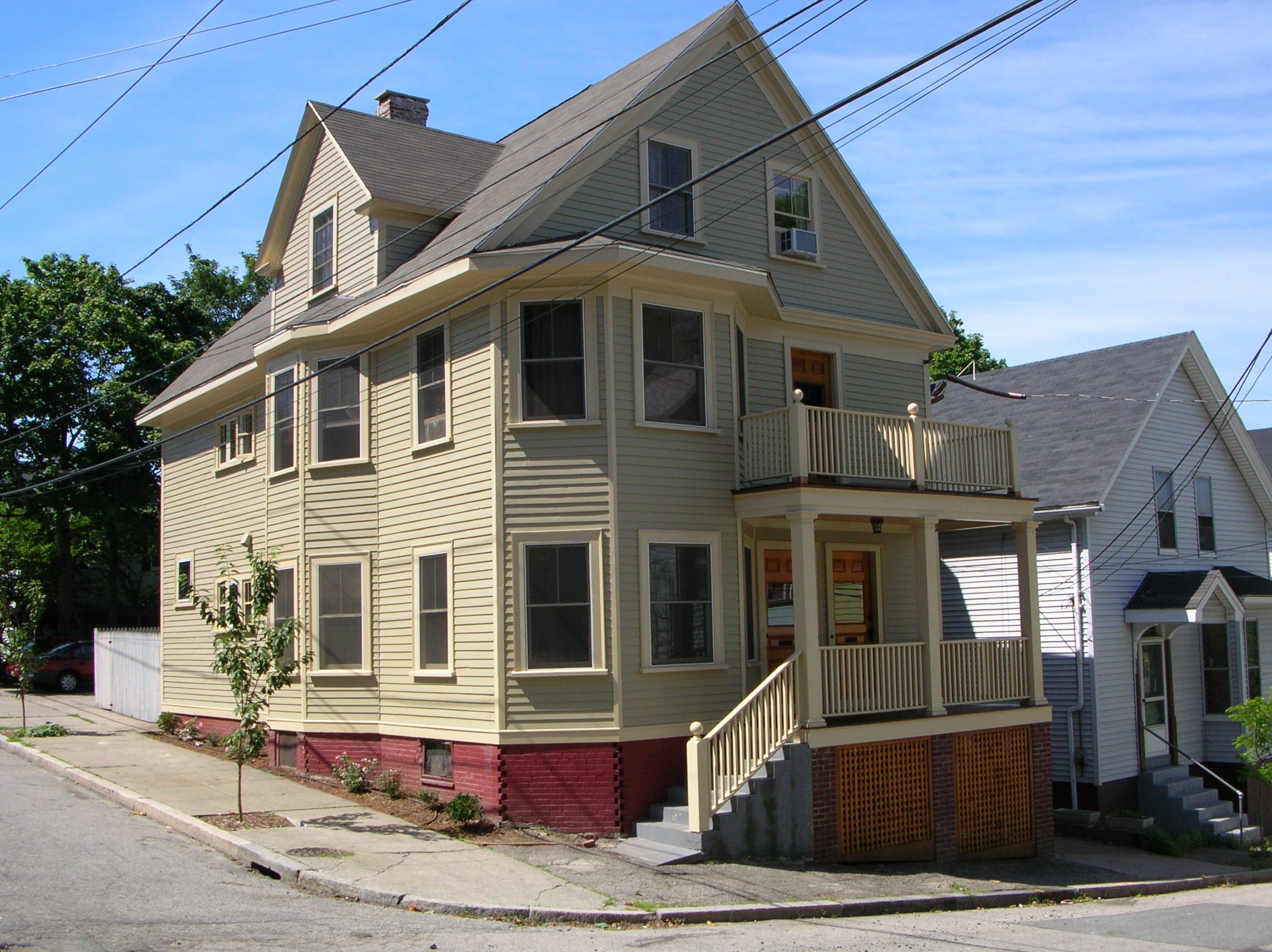
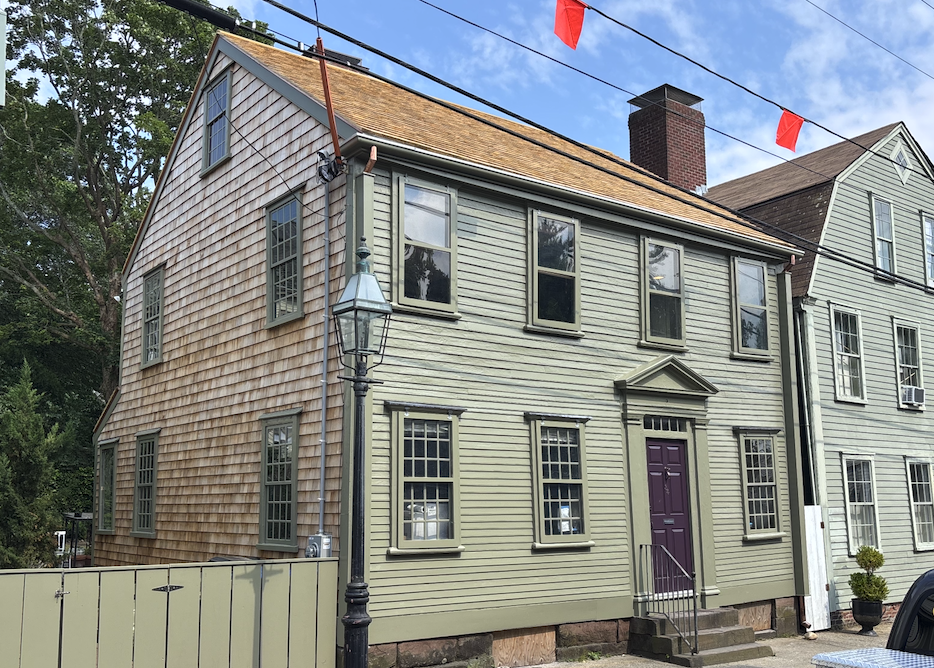
Wood siding repair and replacement using historically appropriate materials
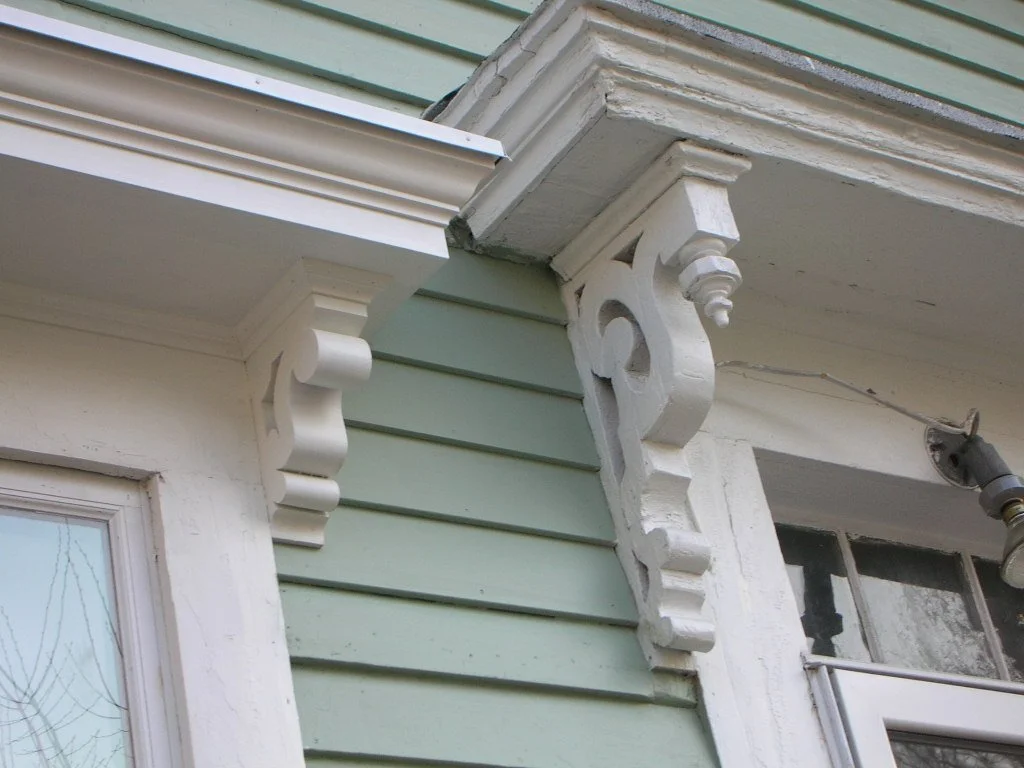
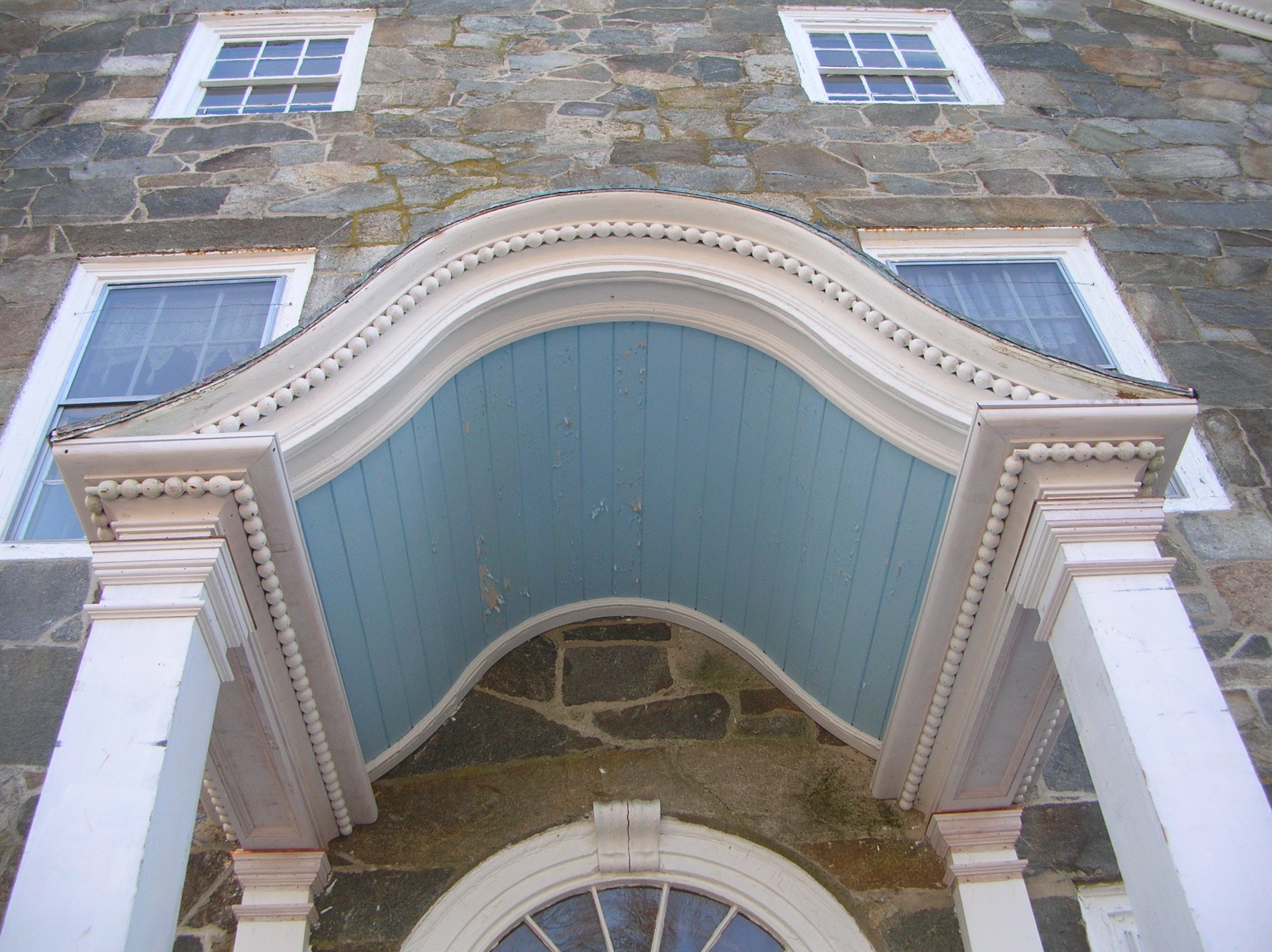
Exterior trim and woodwork restoration
Flashing repair and installation at roofs, walls, windows, and doors
Drainage plane improvements to manage moisture properly
Rot repair and structural stabilization
Paint and finish preparation
Window and door exterior detailing
The building itself shapes every project. Age, architecture, exposure, and prior work done on it.
The Historic Building Envelope
A well-performing exterior is more than siding and shingles. It is a complete envelope system. Water management, siding condition and ventilation, flashing and transitions, roof-to-wall connections, foundation moisture behavior, and the impact of past renovations all factor into how the building actually performs.
When all of those systems work together, a building can easily last another century. When one of them fails, the others start to fail too. This is why we evaluate the whole envelope before recommending any specific work.
Building Science and Traditional Craft
Historic buildings contain materials that respond differently to moisture and temperature than modern construction. Wood siding, plaster, masonry, and traditional framing all have their own behaviors. We understand those behaviors, and we work with them rather than against them.
That means compatible materials that will not damage historic fabric. Reversible solutions where possible. Long-term durability over short-term fixes. Moisture management is the foundation of every decision. Respectful repairs that maintain architectural integrity.
Working With Specialists
Some exterior elements require specialized trades. Some exterior elements require specialized trades such as roofing, masonry, gutters, and complex flashing. Heritage Restoration coordinates these services with skilled subcontractors who understand the demands of historic structures across Rhode Island and Southern New England. From slate and copper roofs to foundation repointing to custom gutter systems, the work is performed correctly and with preservation in mind.
What a Well-Detailed Historic Exterior Looks Like
A well-detailed historic exterior comes down to a few things done right. Sound siding, properly designed drainage planes, appropriate air and water barriers, and carefully installed flashing all work together to protect the building.
When those elements come together, the whole building benefits. There are fewer repairs over time, better energy performance, and stronger architectural cohesion. The building stays standing, looks right, and performs the way it was meant to.
Common Questions About
Historic Exteriors
Should I repair or replace the wood siding on my old house?
In most cases, repair. A single cracked or rotted clapboard can be cut out and replaced without disturbing the rest of the wall, which keeps the original siding intact. That matters more than people realize, because the wood on an old house is usually old-growth lumber that is denser, tighter-grained, and more rot-resistant than anything you can buy new today. It is essentially irreplaceable except through salvage. The preservation standard, and our own approach, is to repair and piece in matching boards rather than tear everything off. One thing worth knowing is that if a house needs repainting every few years instead of every five to ten, that is usually a sign of a moisture problem behind the siding, not a problem with the siding itself.
How do you repair rotted wood trim or siding, and when do you replace it?
It depends on how far the rot has gone. For trim and detail work that would be hard to replace, we often use a two-part epoxy system. A liquid consolidant soaks into the weakened wood and re-hardens it, and an epoxy filler rebuilds the missing shape so it can be sanded and painted. That lets us save the original piece. For a plain board or a section that is too far gone, it usually makes more sense to splice in a new piece of matching wood than to fill it with epoxy. Either way, the most important step is fixing the source of the water first. Rot is caused by moisture and fungus, so any repair will fail if water keeps reaching the wood.
Should I replace my historic wood siding with vinyl?
Generally, no, not on a historic home. Vinyl and aluminum siding cover up the details that give an old house its character, things like window and door surrounds, moldings, and brackets, and installing it often means cutting away or burying those elements for good. There is also a moisture problem. Old walls are built to dry outward, and wrapping them in a sealed skin can trap moisture against the wood and cause hidden rot, which installers regularly discover when they pull old vinyl back off. The energy savings that get promised are mostly overstated, too, since most of a house's heat loss is through the windows, doors, and attic rather than the sidewalls. The Providence Historic District Commission actually encourages removing artificial siding and restoring the original, and we feel the same way.
What is the building envelope, and why does it matter on an old house?
The building envelope is the roof, walls, and foundation together, everything that separates the inside of the building from the weather and controls how water, air, and moisture move through it. The reason it matters is that these elements work as one system. Water that gets past the flashing shows up as a rot problem in the siding. A drainage issue in the ground shows up as dampness in the foundation. Fixing one piece without understanding the whole assembly often just moves the problem somewhere else. That is why we look at the entire envelope before recommending work, so the repair actually solves the cause instead of chasing the symptom.
Why do old houses get moisture and water problems?
Uncontrolled moisture is the single most common cause of deterioration in old buildings, and old houses are especially affected because of how they were built. Older homes were made with breathable, vapor-permeable materials and enough natural air movement to let moisture evaporate. When modern, non-breathable materials get introduced, like cement coatings, plastic paints, or vinyl siding, they trap that moisture inside the wall and cause the very rot they were supposed to prevent. The usual sources of the water itself are failed or missing flashing, clogged or broken gutters, grading that pushes water toward the foundation, and condensation on cold surfaces. The fix is always the same in principle. Find and correct the water path, get the building draining and drying again, and use materials that are compatible with how the original was built.